Timing Tips for Peak Painting Performance
Painting the outside of your house is a big task, but it’s important for maintaining its look and value. Choosing the right time to do it can make a huge difference. Weather conditions and temperature play crucial roles in how well the paint sticks and lasts. By scheduling painting at the right moment, you ensure that your home not only looks great but also stays protected from the elements.
Factors Influencing Painting Success
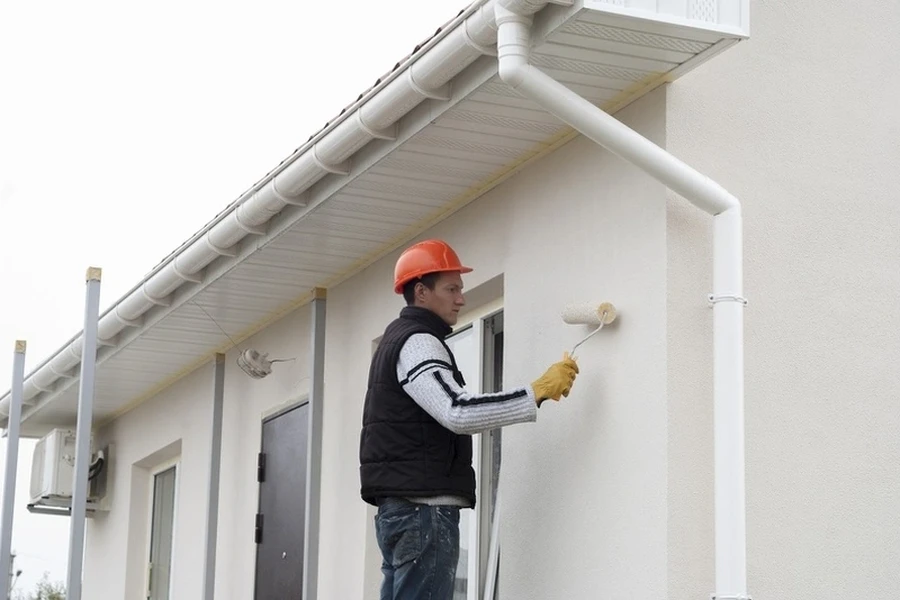
The success of an exterior painting project largely depends on the weather. Temperature and humidity levels affect how paint dries and adheres to surfaces. Ideally, you should aim for mild temperatures, typically between 50°F and 85°F. Low humidity helps paint dry properly, preventing bubbles and cracks. Rain or extreme heat can ruin freshly applied paint, so always check the forecast before starting.
Spring: A Prime Season for Home Transformations
Spring offers a favorable climate for home improvement projects such as exterior painting. After winter, homes often need freshening up due to wear caused by harsh weather. Spring’s mild temperatures provide an excellent environment for paint application and drying. The risk of rain decreases significantly as spring progresses, making late spring an ideal time for painting.
The Advantages of Summer Painting
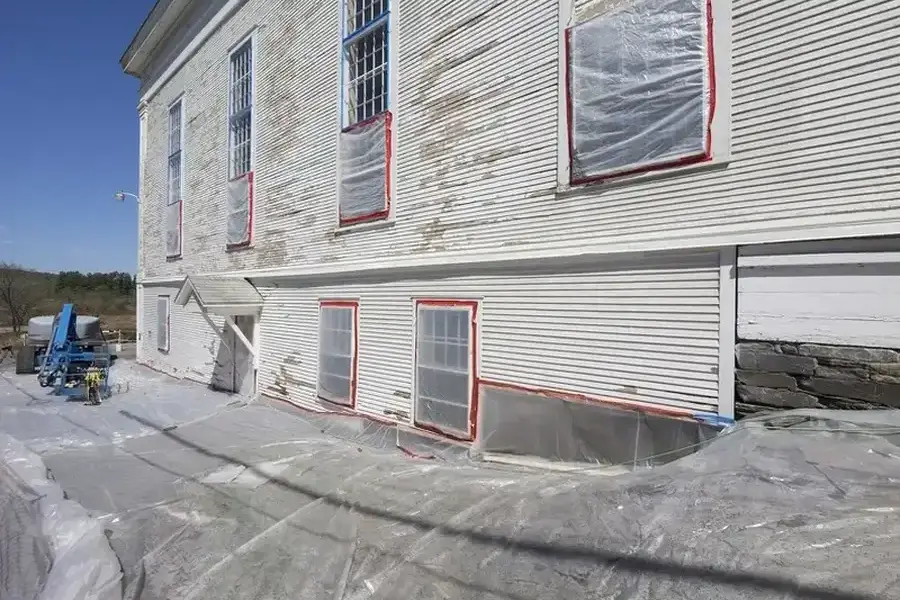
Summer is another popular choice for tackling exterior painting tasks. It provides long days and more predictable weather patterns compared to other seasons. This predictability allows for better planning and execution of painting projects. However, it’s essential to avoid extremely hot days as they can cause paint to dry too quickly, leading to poor adhesion and cracking.
Avoiding Fall Challenges
Fall presents mixed opportunities when considering outdoor painting jobs. Early fall can be quite suitable due to its moderate temperatures and lower humidity levels. But as this season advances, cooler temperatures can hinder the drying process of paints, especially water-based types. Sudden weather changes are common, posing risks to the quality and longevity of your work.
Winter Woes: Why Cold Can Compromise Quality
Winter is generally the least recommended time for exterior painting. Cold temperatures can prevent paint from curing correctly, which may result in peeling or flaking over time. Additionally, shorter daylight hours reduce the window of opportunity for completing projects. It’s best to plan ahead and schedule painting during warmer months unless absolutely necessary.
Steps for Planning Your Project
Planning your exterior makeover involves several key considerations:
- Check local climate trends to determine the best seasonal windows.
- Consult with experts to choose weather-resistant paints tailored to your home’s needs.
- Create a timeline that accounts for potential delays, particularly those due to unpredictable weather events.
Ensuring Long-Lasting Results
Selecting high-quality materials is vital for achieving durable results. Opt for paints designed specifically for outdoor use, offering resistance against UV rays and moisture. Furthermore, proper surface preparation is crucial; clean surfaces thoroughly and repair any damage before applying new paint. These steps help maximize adhesion and extend the lifespan of your exterior finish.
Expert Advice for Future Projects
If you’re looking to enhance your home’s appearance through a fresh coat of paint, consider these expert tips:
- Always prioritize safety by using appropriate gear and equipment.
- Test a small area first to ensure color satisfaction and compatibility with existing surfaces.
- Maintain painted areas regularly through routine inspections and touch-ups where needed.
Your Pathway to Painting Perfection
Ready to transform your home? Contact us today at (910) 421-2660 to discuss your project’s needs. Our team, based in Wilmington, NC, is eager to assist you every step of the way. With Rolling Tide Painting LLC, you’ll experience unparalleled service and expertise tailored to your unique situation.